- Industrial exports increased by 70% compared to 2021
- Aim for AED300 billion contribution to GDP
- Boosting local production to reduce imports
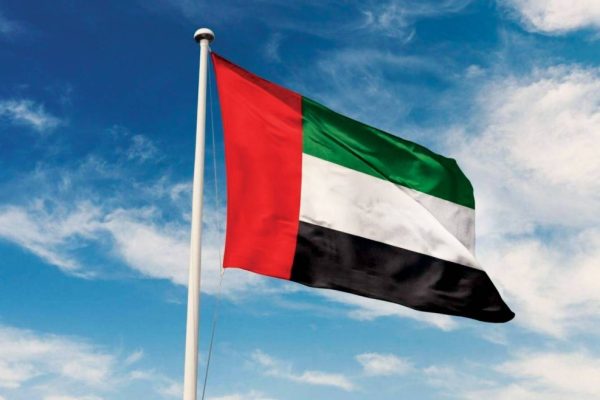
The United Arab Emirates is set to invest over AED40 billion (approximately $11 billion) in the next five years to position itself as a hub for advanced manufacturing.
This initiative is designed to expand the industrial sector and fast-track the diversification of the economy away from oil dependence.
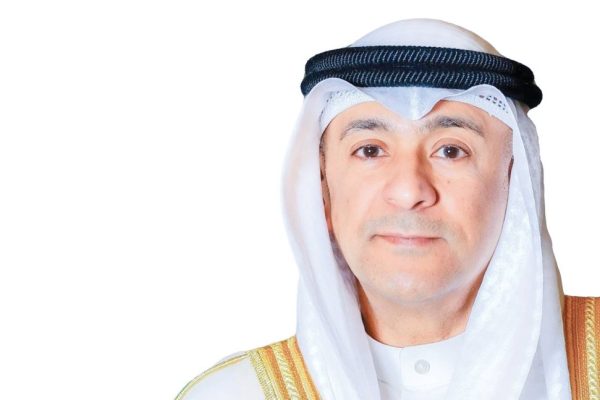
Dr. Sultan Al Jaber, the federal minister of industry and advanced technology, noted that the UAE’s industrial exports reached AED197 billion last year, marking an impressive rise of nearly 70 percent from 2021.
During his address at the 5th annual “Make it in the Emirates” forum held in Abu Dhabi, he did not provide specific figures for 2023.
“Nations with robust industrial sectors benefit from sustainable economic growth, secure a promising future, and contribute to societal progress,” Al Jaber stated. “Investing in manufacturing is a step towards fostering an advanced economy.”
The AED40 billion investment goal is part of a broader initiative called Operation 300bn, launched in 2021. This ten-year industrial strategy aims to boost the sector’s contribution to the GDP to AED300 billion by 2031.
The strategy will support eleven key sectors, including chemicals, metals, electrical equipment, food production, pharmaceuticals, rubber and plastics, as well as wood and paper products.
Seven local banks, such as Emirates Development Bank, First Abu Dhabi Bank, Mashreq, and Emirates NBD, will provide financial packages to industrial enterprises, particularly those focused on import substitution and high-tech manufacturing.
Furthermore, officials revealed plans to enhance long-term procurement opportunities, known as offtake agreements, aiming for more than AED168 billion over the next ten years.
These contracts, which ensure future purchase commitments, are expected to enhance investor confidence and strengthen domestic production capabilities.
In addition, the UAE plans to localize over 4,800 industrial products by manufacturing them domestically, thereby minimizing dependence on imports.
The country has also introduced a AED1 billion Emirates Growth Fund, supported by Emirates Development Bank, aimed at increasing funding for small and medium-sized manufacturing enterprises.
As reported by the Ministry of Industry and Advanced Technology, the manufacturing sector accounted for approximately 9 percent of the UAE’s GDP in 2024, with a target to raise this figure to 15 percent by 2031.
Currently, around 700,000 individuals are employed in the manufacturing sector across more than 13,500 industrial firms, with 40 percent located in Abu Dhabi and 20 percent in Dubai.
The UAE attracted over AED180 billion in industrial investments from 2021 to 2024, supported by regulatory changes, incentives for foreign ownership, and infrastructure investments.
During this period, Emirates Development Bank alone contributed over AED8 billion in funding for industrial ventures.
The imperative to diversify stems from the UAE’s ongoing reliance on hydrocarbon resources, which still constitute about 30 percent of GDP and account for more than half of government income.
With the fluctuating nature of oil prices, the government is increasingly pivoting towards advanced manufacturing, technology, and renewable energy as foundational elements of its post-oil economic strategy.