- Concessions are ‘highly restrictive’
- Focus on exceptional circumstances
- Experts expect no further rule relaxation
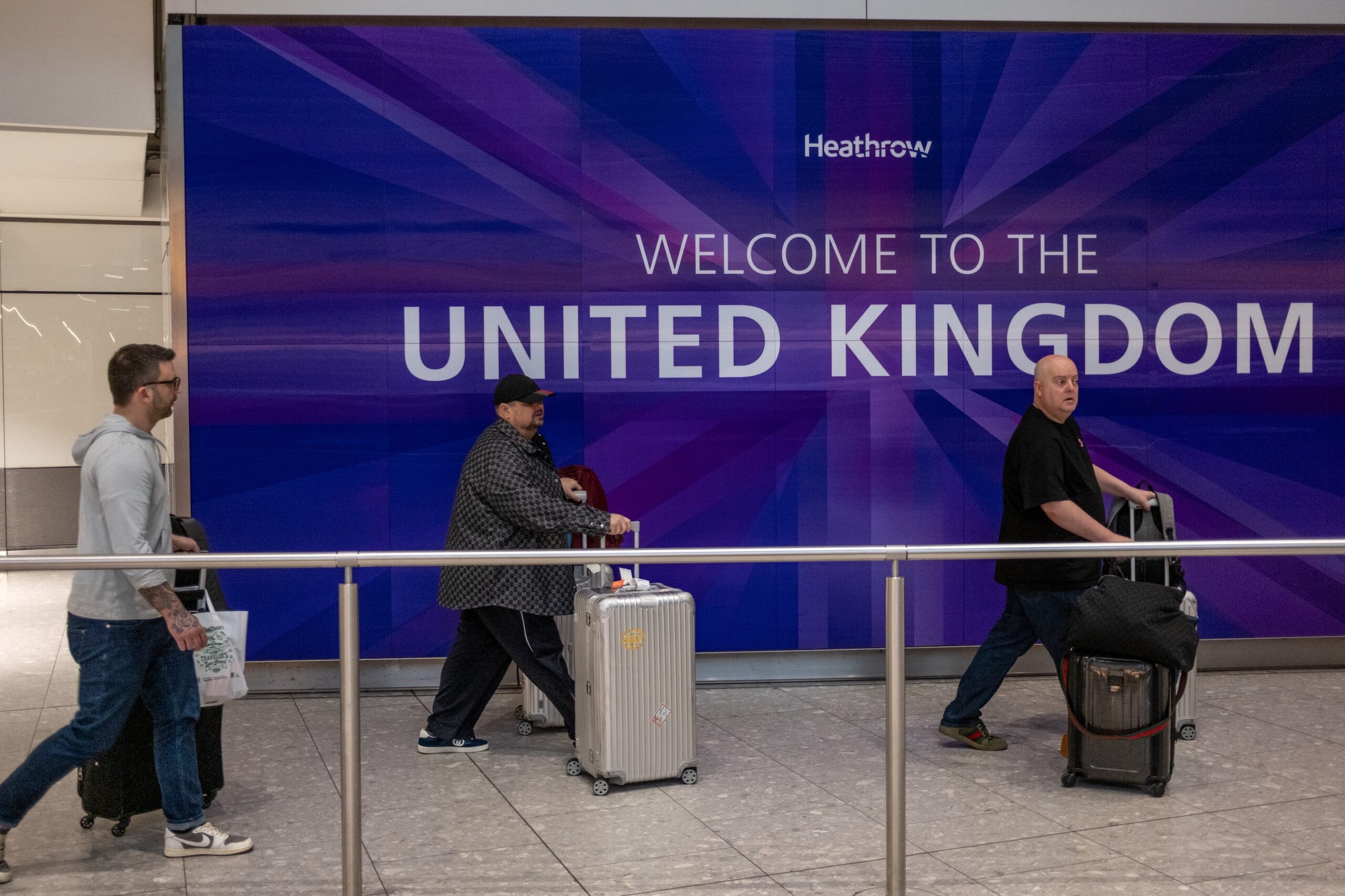
British expatriates attempting to flee the conflict in Iran may face heightened tax obligations despite a UK concession aimed at those in “exceptional circumstances,” according to experts.
As per the statutory residence test established by the UK, an individual spending 183 days or more in the UK during a tax year is deemed a tax resident. However, in some situations, residency can be triggered by just 90 to 120 days of presence.
If an individual finds themselves in the UK due to uncontrollable circumstances, they can exclude up to 60 days from their total count, provided they qualify for the exceptional circumstances criteria.
The tax authority, HM Revenue and Customs (HMRC), indicates that the onset of war may qualify as an exceptional circumstance concerning tax residency.
Nevertheless, the stipulations related to this classification remain “highly restrictive,” according to Sandra Jeevan, partner and head of private client tax and trust at UHY Hacker Young, a network of chartered accountants.
“HMRC adopts a very limited interpretation of what qualifies,” she noted.
Richard Thomson-Curtis, head of UK private client services at wealth advisory firm Sanctoras, articulated that the exceptional circumstances criteria only come into play when an individual has no option regarding their time spent in the UK or their return to the UK.
Considering the generally open international borders and operational commercial flights—though with altered schedules and routes—the “no choice” criterion may not be relevant, he suggested.
Individuals have alternative destinations available, such as Italy, Spain, Greece, Malta, and Thailand, which feature more favorable day-count and visa regulations.
Historically, the only amendment to the exceptional circumstances guideline was during the Covid pandemic when quarantine measures and international travel restrictions made it much more plausible for individuals to be stranded in the UK.
HMRC guidance includes additional examples, such as a ship unexpectedly docking in the UK due to technical malfunctions, injury preventing a departure, or emergency landings leading to flight rerouting. These exceptions only apply if the individual departs the UK at the earliest opportunity.
UHY Hacker Young has urged HMRC to provide reassurance to British expatriates that they will not incur unexpected tax liabilities should they need to leave the Gulf region.
At the outset of the crisis, approximately 300,000 Britons were present in the Middle East, as reported by the UK government, which includes both tourists and residents. As of March 9, over 100,000 had requested repatriation flights, with more than 37,000 successfully evacuated, according to Defence Minister John Healey. Others have found passage back to the UK or elsewhere via commercial flights.
Further reading:
Experts indicate that a further loosening of the rules is unrealistic.
“While I appreciate HMRC’s attempt to provide some relief, I would advise against relying on their leniency or goodwill. It’s better not to risk incurring tax consequences,” stated David Lesperance, managing director of Dubai-based Lesperance and Associates.
“I am advising my clients to consider relocating to other tax-favorable jurisdictions if they leave the Gulf.”
Peter Ferrigno, director of tax services at migration consultancy Henley and Partners, remarked, “Every taxpayer’s individual circumstances vary, and without clarity on the duration of the situation, it’s improbable that a blanket exemption will be implemented.”
An HMRC representative commented, “The current regulations afford adequate protection while adhering to the principle that individuals residing in the UK must pay UK taxes. Exceptional circumstances, such as those arising from a conflict, are duly considered.”
Additionally, the UAE has privately suggested that it may allow expatriates to spend extended periods abroad without jeopardizing their residency status, aiming to encourage their return, as reported by the Financial Times.