- Over 100,000 British citizens exit the region
- Reasons for departure extend beyond security issues
- School vacations adjusted to accommodate the situation
The ongoing departure of British nationals from the Gulf, coinciding with the onset of the Iran conflict, is attributed to a combination of factors, including disruption and seasonal travel patterns, according to a prominent business figure in Dubai.
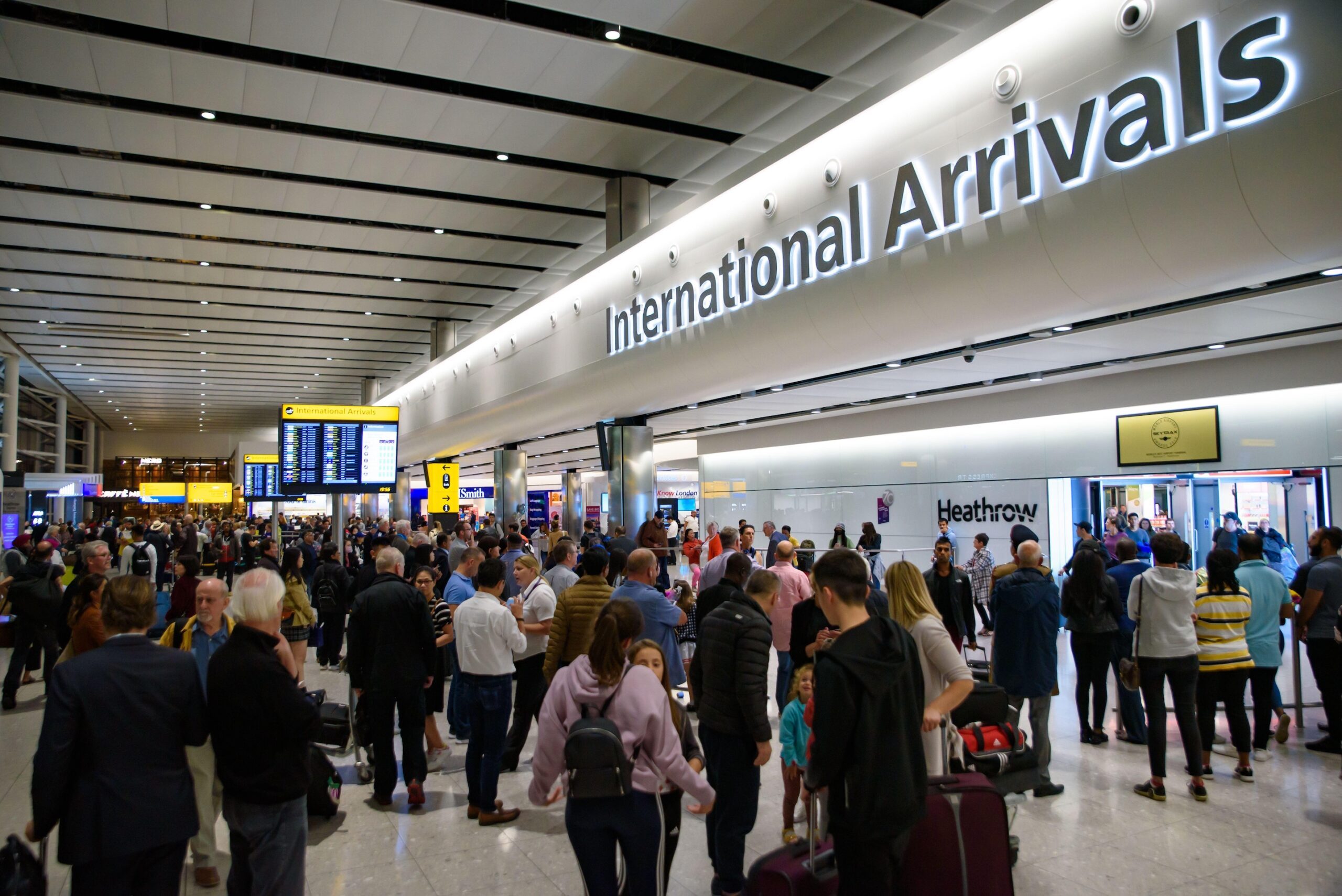
Since the hostilities began on February 28, more than 100,000 British citizens are estimated to have returned from the area, as stated by UK Foreign Minister Yvette Cooper, following the closure of airspace that left many travelers stranded.
At the start of the crisis, there were over 300,000 British nationals present in the region, Cooper informed parliament on Tuesday. In response, the UK government arranged charter flights from various locations, including Dubai and Muscat, Oman.
Although the volume of departures is noteworthy, Katy Keenan, CEO of the British Chamber of Commerce in Dubai, advised caution in interpreting this trend as a consistent exodus primarily motivated by safety fears.
“Initially, there were many tourists and vacationers trapped in Dubai and the UAE due to the conflict,” Keenan remarked. “A significant number have since returned home via the charter services organized by the UK government or commercial airlines.”
The situation also led UAE authorities to advance the spring school break, a time when many expatriate families traditionally leave for vacations. Keenan noted that this seasonal aspect affects the statistics, as several departures represent planned travel rather than urgent evacuations.
“With extended home learning in place and ongoing regional tensions, we anticipate that some families might opt to remain outside the UAE, contingent upon their employers’ approval,” she added.
Privately, UAE officials have suggested they may permit expatriates to remain abroad for extended periods without forfeiting their residency status, a move designed to encourage their return, according to the Financial Times.
Additional Information:
Nonetheless, specialists have cautioned that British expatriates attempting to flee the conflict in the Gulf may inadvertently increase their tax obligations, despite a concession offered by the UK for those in “exceptional circumstances.”
Regardless, Keenan observed no substantial evidence indicating a widespread corporate retreat or an emerging trend of long-term relocations.
“We continue to receive new memberships from the UK, indicating a steady interest despite the regional conditions,” she pointed out.
“There is significant activity among our members, with many engaged in recruitment and business development, and numerous companies have resumed office operations.”
This week, the chamber hosted its first face-to-face networking event since the conflict began, attracting over 80 participants as businesses returned to in-person engagements.
“British companies are assessing the implications of the Iranian attacks on their supply chains, expenses, and revenue, adjusting their short-term strategies to ensure long-term viability in this market,” commented Andy Barr, the director of business and trade for the UAE at the British embassy.