The White House: Trump Dismisses Efforts to Initiate Talks and Focuses on Weakening Iran’s Military Capabilities
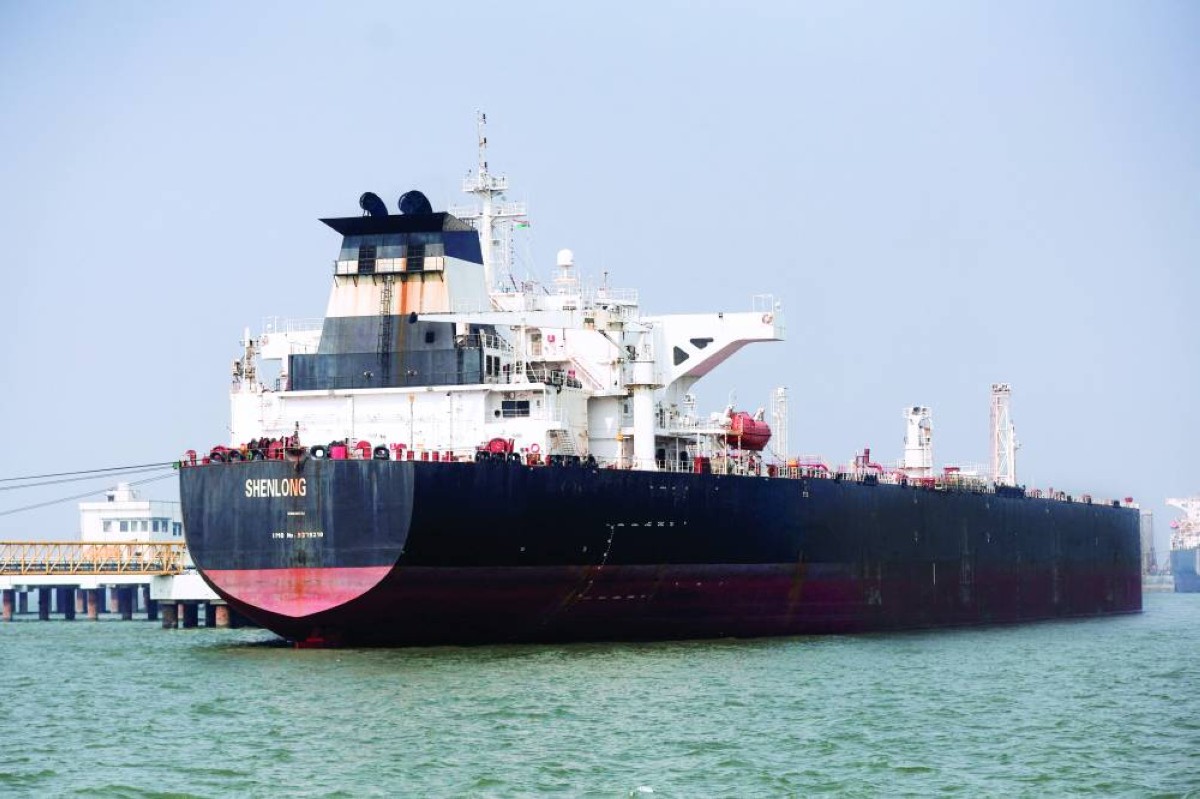
Various sources and mutual statements indicate that both the United States and Iran are less inclined to negotiate now than in the early days of the conflict, suggesting that an end to hostilities may not be imminent. President Donald Trump is working to establish an international maritime alliance, urging several nations to deploy warships to ensure safe navigation through the Strait of Hormuz.
Three informed sources revealed that the Trump administration has turned down requests from Middle Eastern allies to initiate diplomatic negotiations aimed at stopping the conflict with Iran.
Two senior Iranian sources informed Reuters that Tehran has dismissed the prospect of a ceasefire until U.S. and Israeli attacks cease. They noted that various countries have attempted to mediate to end the hostilities.
Oman, which facilitated communications before the conflict began, has made repeated attempts to reopen dialogue channels, but the White House has expressed disinterest. A senior White House official confirmed that Trump rejected the proposals to begin talks, emphasizing his commitment to continue the military campaign to diminish Iran’s military power. The official stated, “He is not interested in that at the moment, and we will continue our mission without interruption. Perhaps that day will come, but not now.”
Another high-ranking White House official responded to inquiries on the matter, stating, “President Trump has mentioned that a potential new Iranian leadership has shown an interest in dialogue, and they will eventually engage in discussions. For now, however, the operation continues relentlessly.”
Iranian sources have indicated that the country has rebuffed various international efforts to negotiate a ceasefire until the United States and Israel stop their airstrikes and respond to Iran’s demands, which include a permanent halt to military attacks and compensation as part of a ceasefire agreement.
Three security and diplomatic sources reported that Egypt, which played a mediating role prior to the war, is seeking to reopen communication channels. One source mentioned that although progress has been minimal, it has managed to extract some restraint from neighboring countries impacted by Iran.
Stance Intensification
U.S. officials and Trump’s advisors are urging a swift conclusion to the conflict, warning that soaring gasoline prices could bring significant political repercussions for the Republican Party as midterm elections approach. David Sachs, an advisor to the White House on cryptocurrency and artificial intelligence, has called for a “victory declaration and withdrawal” from the war, a rare public stance from a senior Trump administration figure advocating for an exit from the conflict.
Sachs stated, “This is an opportune moment to declare victory and withdraw.” He emphasized that the U.S. has already weakened Iran’s military capabilities, asserting, “We need to explore a way out.” He further remarked, “If escalation yields no positive results, we should consider ways to de-escalate. I believe de-escalation entails reaching some form of ceasefire or negotiated settlement with Iran.”
Other advisors, however, pressure Trump to continue military actions against Iran to dismantle its missile program and prevent nuclear armament, according to Reuters.
One source noted that Iranian security chief Ali Larijani and Foreign Minister Abbas Araghchi are also seeking to utilize Oman as a channel for ceasefire talks, which U.S. Vice President J.D. Vance was expected to participate in.
According to another Iranian source, these discussions have yielded no results, with Iran’s stance hardening in opposition. The source remarked, “All previous diplomatic communications are no longer relevant.”
The source added, “The Revolutionary Guards strongly believe that losing control of the Strait of Hormuz would equate to losing the war, thus they will not accept any ceasefire, diplomatic discussions, or collaborative efforts, and Iranian political leaders will refrain from participating in such dialogues despite numerous countries’ attempts.”
Maritime Security
Additionally, President Trump expressed hope via Truth Social that nations such as China, France, Japan, South Korea, the United Kingdom, and others will send warships to ensure the Strait of Hormuz remains “open and secure.” He remarked, “In one way or another, the Strait of Hormuz will soon be open, secure, and free.”
In a bid to bolster U.S. forces in the region, an American official told the Associated Press that around 2,500 Marines, along with at least one amphibious assault ship, are being dispatched to the Middle East.
The official confirmed that units from the 31st Marine Expeditionary Unit, alongside the amphibious assault ship USS Tripoli, have been ordered to the area, marking a significant increase in the operational force in the region. The U.S. Central Command stated that American forces conducted a broad and precise strike on Iran’s Kharg Island the previous night, successfully targeting over 90 Iranian military objectives.
Critical Phase
Israeli Defense Minister Israel Katz stated that the conflict against Iran is escalating and entering a “critical phase.” He did not clarify whether this implies that Israel and the U.S. anticipate a swift conclusion to their military campaign but mentioned that the next phase will continue as long as necessary, according to statements from his office.
Katz noted that the Israeli Air Force is sustaining a rigorous wave of attacks on Tehran and Iran in general, urging Iranians to resist their leadership. He stated, “Only the Iranian people can bring this to an end – through decisive struggle until the regime is overthrown.”
Earlier yesterday, the Israeli military announced it had detected a new wave of missiles launched from Iran targeting Israel. They reported that air defense systems are actively intercepting these projectiles, as noted in a statement released via Telegram.
Iran launched a new batch of missiles towards Israel, but no specific details have been disclosed regarding this missile volley. Residents of Jerusalem reported hearing explosions shortly after the Israeli military identified missiles launched from Iran.
Two individuals, including a child, were injured in Eilat, southern Israel, following a fresh wave of Iranian missile strikes, according to Israeli media, with reports indicating that a 12-year-old boy sustained moderate injuries. A 39-year-old man was also taken to the hospital with minor injuries, according to the Magen David Adom emergency service. Reports have noted that missile debris fell within the city.