- Shifting focus to Gulf of Oman and Red Sea routes
- Alternative solutions may not fully mitigate interruptions
- Existing routes face capacity limitations
Companies in the UAE are increasingly diverting shipments to alternative routes in response to rising tensions in the Strait of Hormuz.
However, experts indicate that these alternatives are unlikely to completely alleviate the disruptions affecting one of the globe’s crucial trade passages.
The impact is widespread, extending beyond oil shipments. Logistics providers, retailers, and distributors are also adjusting their routes for the transport of consumer goods, food, and other cargo typically moving through the strait.
Even with alternative routing, S&P Global estimates a probable daily net loss of 8 to 10 million barrels, including Iranian exports.
Energy companies and traders are increasingly relying on pipelines that circumvent this critical chokepoint, which include Saudi Arabia’s East-West pipeline, the UAE’s Habshan-Fujairah pipeline, and Iraq’s Kirkuk-Ceyhan pipeline.
For non-oil products, UAE shipments are being redirected to ports in the Gulf of Oman, such as Fujairah and Khor Fakkan Container Terminal.
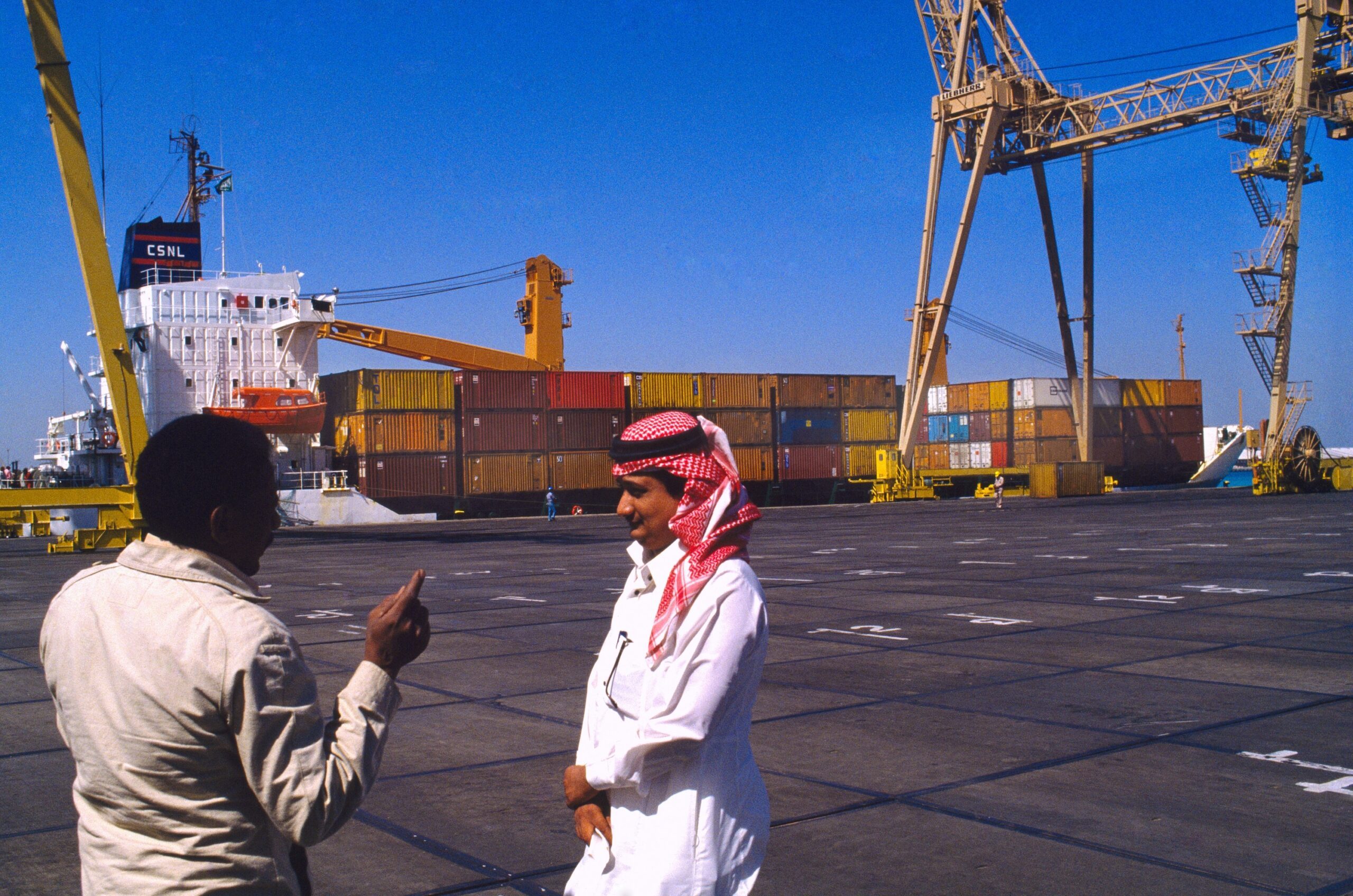
Some freight forwarders are also utilizing Red Sea ports, including Jeddah, King Abdullah, and Yanbu in Saudi Arabia, before transporting goods overland to Gulf destinations.
However, these alternative routes may incur an Emergency Contingency Surcharge (ECS). Maersk has announced an ECS fee of $1,800 to $3,000 per container starting March 15 for routes crossing through the Middle East Red Sea (Jeddah, King Abdullah, and Jordan).
Analysts emphasize that it is not just the presence of alternatives that is the issue, but their limitations.
Capacity constraints, elevated transportation costs, and extended transit durations mean these diversion routes cannot accommodate the large volumes that usually transit Hormuz.
“Using multimodal transport is often expensive and time-consuming. Moreover, there aren’t enough trucks available to handle the goods movement efficiently,” stated Aathira Prasad, macroeconomics director at Nasser Saidi and Associates.
Approximately 20 million barrels of oil pass through the Strait daily. In comparison, a single oil tanker truck typically transports around 240 barrels. To replace 20 million barrels daily over land would necessitate roughly 83,000 truck trips each day.
“If the disruption lasts for an extended time, some supply chains may permanently change, making it difficult for them to revert to their original form,” noted Sam Achampong, regional director of the Chartered Institute of Procurement and Supply.
“A prolonged interruption may lead to a reconfiguration of these supply chains, increasing overall costs.”
Additional Insights:
While oil, gas, and petrochemicals—including fertilizers and aluminum—face immediate challenges, essential and consumer products are also at risk.
Consulting firm MDS Transmodal reports that more than 20% of imports by weight consist of food and live animals, raising alarms for food supply chains under potential long-term disruptions.
The UAE government asserts that the nation has enough food supplies for up to six months. Nevertheless, retailers are proactively modifying their logistics frameworks to maintain delivery capabilities.
The supermarket chain Spinneys is utilizing a combination of alternative logistics options, including enhanced air freight, UAE’s east coast ports, and shipments routed through Jeddah.
“Many vessels are currently unloading food just west of the Strait of Hormuz,” remarked Tom Harvey, commercial general manager at Spinneys. “We have weathered many disruptions in the past, such as Covid, the Suez Canal blockage, and the Red Sea crisis. Our business maintains control over our supply chain from source to store, allowing us to adapt effectively.”
Increased Logistics Expenses
<pOther businesses are also making adjustments to their logistics strategies. Erika Doyle, the founder of non-alcoholic beverage retailer Drink Dry, confirmed that the company has redirected all shipments that typically pass through the strait.
“We’re currently rerouting shipments via several alternative paths and ports, including India, Oman, Khor Fakkan, Jeddah, and Dammam,” she explained.
Spinneys has chosen to absorb increased logistics costs for now rather than passing them onto consumers, while Drink Dry warned that extended disruptions could eventually lead to price hikes.
The repercussions are also being felt within the UAE’s role as a re-export hub. Drink Dry exports beverages from the UAE to markets like Saudi Arabia, Kuwait, Oman, and India, all of which are currently experiencing delays.
“Despite shipments still moving, the rerouting has introduced complexities and longer lead times for certain destinations,” Doyle noted.
The UAE consistently ranks among the top five re-export hubs globally. Re-exports were valued at AED 597.7 billion ($163 billion) during the first three quarters of 2025, marking a 15% increase compared to the same period the previous year. This sector constituted roughly 6.6% of GDP and over 27% of non-oil trade in 2024.
Electronics—including mobile phones and accessories—lead the re-export categories, followed by diamonds, mass transit vehicles, and jewelry. The UAE is recognized as the world’s leading re-exporter of rice and ranks fifth for coffee and tea re-exports.
“A considerable portion of trade that enters the UAE has historically been re-exported to other markets,” Prasad added. “This situation has abruptly halted many established dependencies.”
Crises of this magnitude often catalyze structural changes in trade. Experts anticipate that the current disruptions will amplify attention on supply chain resilience and alternative logistics options across the Gulf region.
“Initiatives like Etihad Rail suddenly become crucial because they enhance connectivity within the Emirates. If developed further across the GCC, they can serve as vital infrastructure that currently is lacking,” noted Prasad.
Regional policymakers might also expedite the implementation of previously considered cross-border logistics systems.
Customs corridors within the GCC, once mainly theoretical, could gain traction. Last week, Saudi Arabia launched a new Logistics Corridors Initiative aimed at bolstering supply chain resilience and improving cargo movement between its ports and those across the GCC.
“There’s often a noticeable shift following a crisis,” she concluded.